
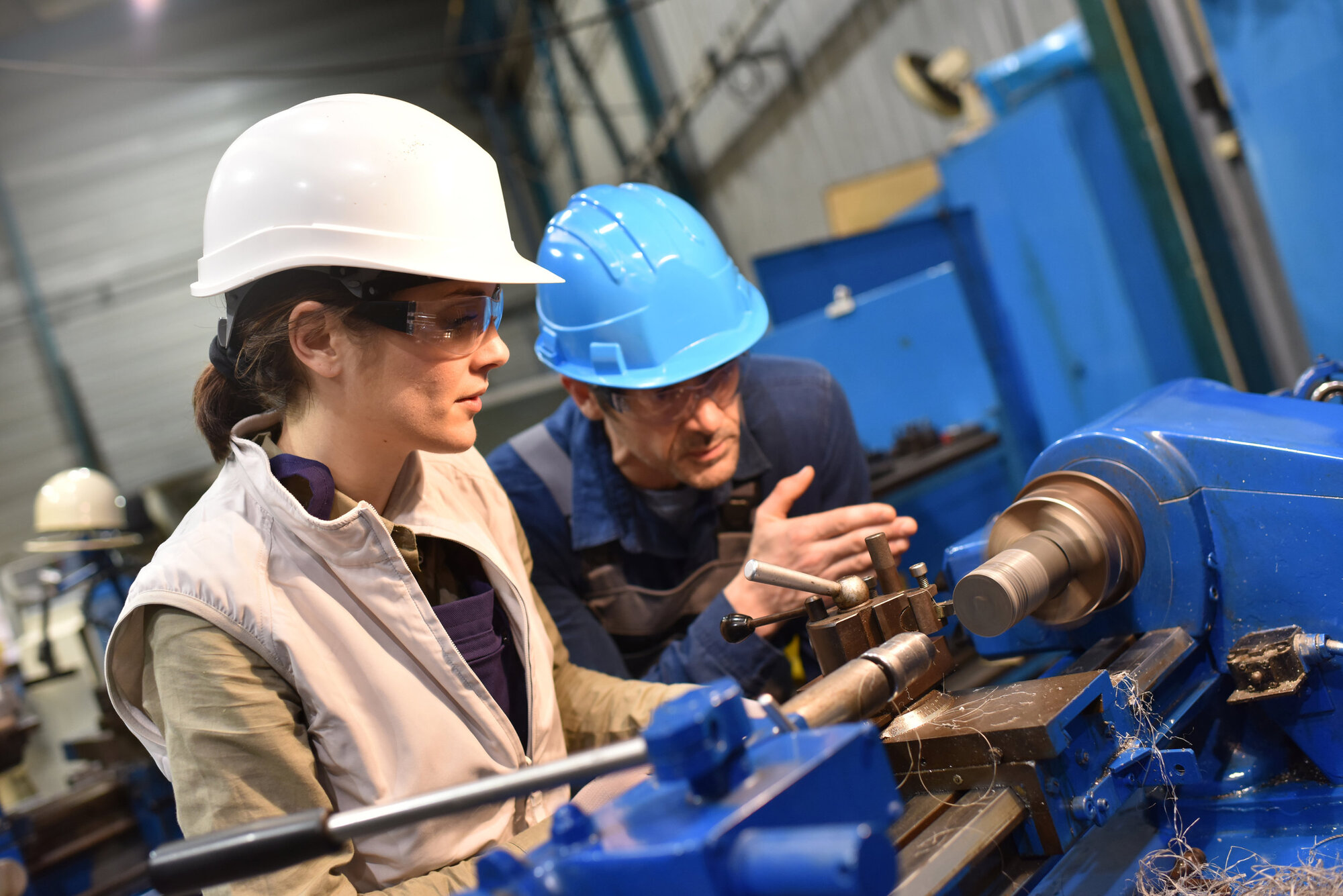
Workplace equipment safety represents a fundamental responsibility for employers across all industries, with legal obligations demanding systematic approaches to identifying hazards, managing risks, and protecting workers from harm. The Provision and Use of Work Equipment Regulations, commonly known as PUWER, establish comprehensive requirements governing workplace equipment safety throughout the United Kingdom. Central to PUWER compliance are thorough assessments examining equipment conditions, usage patterns, maintenance standards, and protective measures ensuring that machinery and tools operate safely without presenting unacceptable risks to employees or others affected by workplace activities. Understanding PUWER assessments, their scope, requirements, and implementation processes proves essential for employers seeking to fulfil legal obligations whilst creating genuinely safe working environments that protect their most valuable assets, their workforce.
PUWER assessments constitute systematic examinations of work equipment evaluating safety features, operational conditions, maintenance status, user competence, and risk controls ensuring compliance with PUWER regulations that have governed workplace equipment safety since initial introduction in 1998 and subsequent updates strengthening protection standards. These assessments apply to virtually all equipment used in workplaces including hand tools, machinery, apparatus, appliances, and installations used by employees during work activities. The breadth of equipment falling within PUWER scope means that assessments potentially encompass everything from simple hand tools and portable power equipment through to complex industrial machinery, lifting equipment, pressure systems, and automated production lines. This comprehensive coverage ensures that PUWER assessments address equipment safety holistically rather than focusing narrowly on particular equipment categories whilst neglecting others that may present significant hazards.
The legal framework underpinning PUWER assessments establishes explicit employer duties ensuring that work equipment remains suitable for intended purposes, maintained in safe condition, inspected appropriately, and used only by persons possessing necessary information, instruction, and training. PUWER assessments provide mechanisms through which employers demonstrate compliance with these duties, documenting systematic evaluations proving that equipment meets safety standards and that appropriate controls address identified risks. Regulatory enforcement by the Health and Safety Executive means that inadequate PUWER assessments can result in enforcement notices, prosecutions, and substantial penalties for organisations failing to discharge legal responsibilities adequately. Beyond legal compliance imperatives, effective PUWER assessments deliver genuine safety improvements reducing accident rates, preventing injuries, and protecting businesses from operational disruptions, compensation claims, and reputational damage following equipment-related incidents.
Initial PUWER assessments commence when organisations acquire new equipment or when existing equipment undergoes significant modifications affecting safety characteristics. These initial assessments verify that equipment possesses appropriate safety features including guards, emergency stops, isolation mechanisms, and protective devices preventing dangerous equipment operations. Assessors examine whether equipment suits intended work tasks, confirming that capabilities, capacities, and operational parameters align with workplace requirements without necessitating unsafe adaptations or inappropriate usage. Documentation review during PUWER assessments includes manufacturer instructions, safety information, maintenance requirements, and operational limitations ensuring that essential guidance accompanies equipment throughout its working life. This initial assessment phase establishes baseline safety standards and documents equipment conditions at acquisition, creating reference points for subsequent periodic assessments monitoring ongoing compliance.
Periodic PUWER assessments occur at intervals reflecting equipment risk levels, usage intensity, operating environments, and regulatory requirements specific to particular equipment types. High-risk equipment operating in demanding conditions or critical applications requires more frequent PUWER assessments than lower-risk items experiencing lighter usage in controlled environments. Assessment frequencies should reflect realistic evaluation of deterioration rates, failure patterns, and incident histories for specific equipment categories rather than applying arbitrary universal schedules inadequately matched to actual risk profiles. Regular PUWER assessments enable early detection of developing problems including component wear, guard damage, control degradation, or emerging hazards before failures cause accidents. This proactive approach prevents incidents rather than merely reacting to problems after harm occurs, embodying genuine commitment to worker protection rather than superficial regulatory compliance.
Competent persons conducting PUWER assessments must possess appropriate combinations of training, knowledge, and experience enabling them to identify equipment hazards, evaluate risk controls, and determine compliance with regulatory requirements. Competence requirements vary according to equipment complexity, with simple hand tools requiring less specialised assessment expertise than complex industrial machinery or specialised technical equipment. Organisations may develop internal competence through training suitable employees, engage external specialists possessing equipment-specific expertise, or employ combinations of internal and external resources optimising assessment quality whilst managing costs appropriately. Regardless of competence sources, PUWER assessments demand systematic approaches following structured methodologies ensuring comprehensive evaluations rather than cursory inspections missing critical safety deficiencies.
Equipment examination during PUWER assessments encompasses physical inspections verifying that guards, safety devices, controls, and structural components remain intact, properly adjusted, and functionally effective. Assessors check that guards cover dangerous machine parts adequately, that interlocks prevent access during hazardous operations, that emergency stops function correctly, and that visibility, lighting, and ergonomic factors support safe equipment operation. Mechanical integrity assessments identify wear, damage, corrosion, or deterioration compromising safety, whilst electrical safety checks ensure proper earthing, insulation integrity, and protection against electric shock hazards. Hydraulic and pneumatic systems receive examination confirming hose conditions, pressure ratings, and leak prevention, whilst examination of control systems verifies that equipment responds correctly to operator inputs without dangerous malfunctions or unexpected behaviours.
Documentation review constitutes essential elements of PUWER assessments, examining maintenance records, inspection histories, modification logs, incident reports, and manufacturer guidance ensuring that equipment receives appropriate care and that safety-critical information remains accessible. Maintenance record analysis reveals whether scheduled servicing occurs as required, whether identified defects receive timely remediation, and whether maintenance quality meets acceptable standards. Incident investigation reports examined during PUWER assessments may reveal recurring problems indicating systematic safety deficiencies requiring fundamental improvements rather than repeated repairs addressing symptoms without resolving underlying causes. Manufacturer instructions reviewed during assessments provide authoritative guidance regarding safe operating parameters, maintenance requirements, and design limitations that workplace practices must respect.
Risk assessment integration with PUWER assessments ensures that equipment safety evaluations consider actual workplace contexts including task characteristics, operator competence, environmental conditions, and organisational safety culture factors influencing real-world risk levels. Equipment perfectly safe when operated correctly by trained personnel in controlled conditions may present serious hazards when used inappropriately, maintained inadequately, or operated by insufficiently competent workers. PUWER assessments therefore evaluate not merely equipment hardware but entire systems encompassing equipment, operators, procedures, supervision, and organisational factors collectively determining safety outcomes. This holistic approach recognises that technical compliance proves insufficient without corresponding attention to human factors, procedural controls, and management systems supporting sustained safe equipment operation.
Training and competence verification represents crucial components of PUWER assessments, evaluating whether equipment operators possess necessary knowledge, skills, and understanding for safe operation. Assessors review training records, observe operational practices, and interview workers to determine competence levels, identifying gaps requiring additional instruction or supervision. Particular attention focuses on newly appointed staff, workers transferred to unfamiliar equipment, and personnel using equipment infrequently where skill degradation may compromise safety. PUWER assessments may reveal training deficiencies explaining unsafe practices, equipment misuse, or maintenance failures that systemic training improvements could address effectively.
Findings documentation from PUWER assessments creates essential records demonstrating regulatory compliance, tracking safety improvements, and providing evidence of systematic equipment management. Assessment reports typically detail equipment examined, inspection findings, identified deficiencies, risk evaluations, and recommended actions addressing discovered problems. These records serve multiple purposes including legal compliance evidence, maintenance planning inputs, management information supporting resource allocation decisions, and historical references tracking equipment conditions over time. Organisations should retain PUWER assessment documentation throughout equipment operational lives and beyond, as records may prove essential during incident investigations, insurance claims, or regulatory inspections occurring years after assessments occur.
Remedial action implementation following PUWER assessments addresses identified deficiencies through equipment repairs, guard improvements, procedural changes, training enhancements, or work restrictions preventing equipment use until problems receive correction. Action prioritisation reflects risk severity, with immediate interventions required for serious hazards presenting imminent danger, whilst lower-risk issues may permit planned remediation within reasonable timeframes. Management systems should ensure that PUWER assessment findings translate into actual improvements rather than languishing as unactioned recommendations, with responsibilities assigned, completion deadlines established, and verification processes confirming effective defect resolution.
Continuous improvement approaches utilising PUWER assessment findings analyse trends across multiple assessments, identifying recurring problems suggesting systematic issues requiring fundamental interventions beyond individual equipment repairs. Patterns of guard damage may indicate design inadequacies, operational practices promoting damage, or inadequate damage reporting systems. Repeated finding of similar deficiencies across equipment fleets suggests maintenance programme inadequacies or competence gaps amongst maintenance personnel. PUWER assessments thus provide valuable management information supporting strategic safety improvements transcending reactive equipment repairs.
Specialised equipment categories including lifting equipment governed by LOLER, pressure systems regulated under PSER, and other equipment subject to specific regulatory regimes require PUWER assessments integrated with additional examinations addressing sector-specific requirements. These integrated approaches avoid duplicative inspections whilst ensuring comprehensive coverage of all applicable safety requirements through coordinated assessment programmes. Equipment subject to multiple regulatory frameworks demands particular attention ensuring that PUWER assessments complement rather than duplicate or contradict other mandatory examinations, creating coherent overall equipment safety management systems.
In conclusion, PUWER assessments constitute essential components of workplace equipment safety management, providing systematic evaluations ensuring regulatory compliance, identifying hazards, and driving continuous safety improvements protecting workers from equipment-related harm. The comprehensive scope of PUWER assessments addressing equipment suitability, maintenance, inspection, safeguarding, and operator competence creates robust frameworks ensuring that work equipment serves productive purposes without compromising worker wellbeing through preventable accidents. For employers across all sectors, effective PUWER assessments represent not merely regulatory obligations but valuable management tools supporting operational excellence through equipment reliability, worker protection, and systematic risk control. Organisations prioritising thorough PUWER assessments demonstrate genuine safety commitment whilst building foundations for sustainable business success where equipment contributes to productivity without exacting unacceptable human costs through injuries that comprehensive assessments could prevent.