
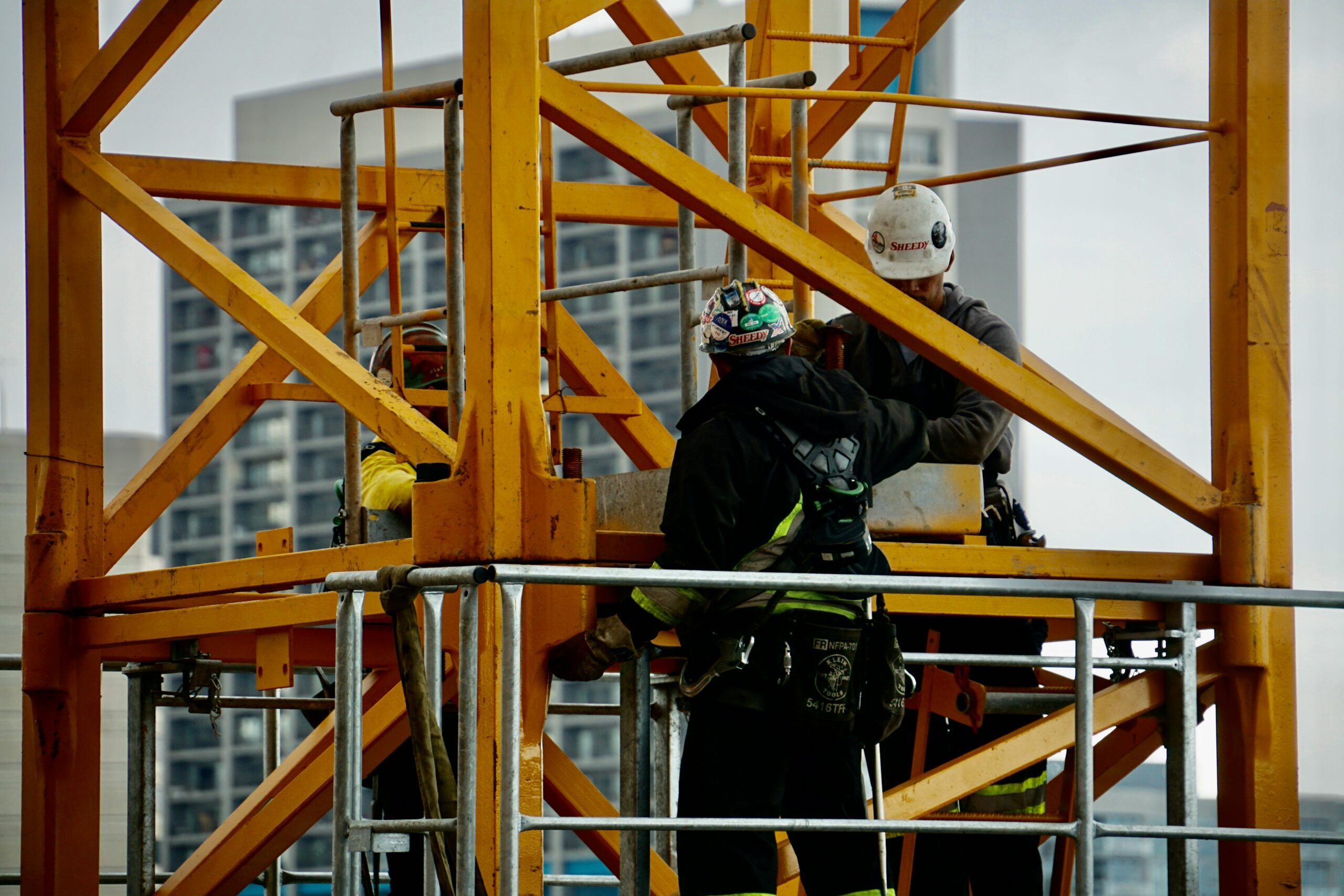
The modern industrial landscape is undergoing a profound transformation driven by digital innovation. Across sectors ranging from heavy manufacturing and construction to logistics and administrative services, organisations are actively seeking more effective methods to safeguard their staff. Traditional approaches to health and management, while foundational, often suffer from being purely reactive or heavily reliant on manual administrative checks. The advent of artificial intelligence integrated into specialised software systems has radically changed this dynamic. By shifting the paradigm from incident response to proactive hazard mitigation, these technologies are playing a central role in strengthening overall workplace safety.
At the core of this technological shift is the ability to process and analyse vast amounts of operational data in real time. Historical documentation, paper-based incident reports, and periodic risk assessments have long been the standard mechanisms for managing occupational health. However, these traditional methods typically capture information long after a risk has materialised or a close call has passed unnoticed. Advanced algorithms can now aggregate data from across an entire organisation, identifying subtle patterns and emerging hazards that human observation might miss. By constantly scanning operational workflows, environmental factors, and equipment usage, intelligent digital systems provide continuous oversight, ensuring that potential dangers are addressed long before they lead to physical harm or disruption.
Predictive Analytics and Real-Time Hazard Mitigation
One of the most notable contributions of advanced analytical software is its ability to forecast risks before they manifest on the operational floor. Predictive analytics models evaluate decades of historical health data alongside live situational inputs to calculate probability scores for various operational scenarios. For example, by correlating variables such as fatigue indices, extended shift patterns, atmospheric conditions, and machine maintenance records, the system can flag elevated risk levels in specific operational zones.
This predictive capability transforms how managers approach workplace safety on a daily basis. Rather than conducting static monthly inspections, safety officers receive dynamic, real-time alerts indicating where supervision or preventative maintenance is required most urgently. If environmental sensors detect rising levels of airborne contaminants or if heavy machinery indicates abnormal vibration patterns, the digital infrastructure alerts supervisors instantly. This automated monitoring loop ensures that potential threats are contained, maintaining high standards of workplace safety without placing an unbearable administrative burden on site personnel.
Furthermore, dynamic computer vision applications are redefining physical surveillance across complex facilities. Video streams captured by site monitoring infrastructure can be evaluated continuously to detect non-compliance or structural hazards automatically. Systems can recognise when personal protective equipment is missing in high-risk zones, identify obstructed emergency exits, or spot unauthorised entry into restricted locations. Rather than serving merely as recording tools for post-incident investigations, visual monitoring networks become active participants in maintaining daily operational security, fostering a culture where workplace safety is continuously reinforced.
Streamlining Compliance and Reducing Administrative Burden
Regulatory compliance represents a vital cornerstone of occupational health, yet managing complex legislative requirements often consumes significant time and administrative resources. Intelligent software applications simplify this process by automating regulatory reporting, tracking training certifications, and standardising risk assessment protocols. Automated systems ensure that all safety audits are conducted systematically, maintaining clear audit trails that demonstrate full compliance with national standards.
When reporting incidents or near misses, digital tools guide employees through intuitive, mobile-friendly forms that capture critical data points instantly. Automated categorisation algorithms then analyse the input, flagging root causes and generating standardised reports suitable for regulatory bodies or internal steering committees. By drastically reducing the administrative workload associated with reporting, organisations encourage frontline workers to log close calls and minor hazards without fear of creating tedious paperwork. Higher reporting volumes provide richer data sets, which in turn refine the algorithm’s predictive models, ultimately driving long-term improvements in workplace safety.
Training management also benefits substantially from automated oversight. Modern enterprise systems track employee competencies, certification expiry dates, and required refresher courses automatically. By ensuring that only fully trained and compliant personnel are authorised to operate specialised machinery or enter dangerous work spaces, the software systematically eliminates human error related to inadequate preparation or lapsed qualifications.
Empowering Frontline Workers and Enhancing Organisational Culture
While the back-end capabilities of intelligent risk platforms offer significant advantages for leadership teams, the direct impact on frontline employees is equally profound. Mobile software interfaces grant workers immediate access to crucial risk assessments, safe working procedures, and chemical safety data sheets directly at the point of use. Whether operating in a remote environment, navigating a multi-storey construction site, or managing inventory in a distribution centre, employees carry essential guidance in their pockets.
Multilingual support features integrated into modern interfaces further ensure that safety instructions, hazard warnings, and emergency procedures are completely understood by diverse workforces. Language barriers, which historically presented significant operational risks, are effectively neutralised. When workers feel confident that they understand site protocols and possess the tools to report hazards effortlessly, engagement with internal health initiatives increases noticeably. Workplace safety ceases to be viewed as a top-down mandate or an administrative hurdle; instead, it becomes a collective responsibility supported by transparent, accessible technology.
Additionally, lone worker protection modules have transformed off-site operational management. Field engineers, remote maintenance staff, and late-night personnel often operate away from direct supervision, exposing them to unique vulnerabilities. Specialised applications monitor lone worker movement via periodic check-ins, motion-sensing fall detection, and location tracking. In the event of a sudden fall, prolonged immobility, or a manual distress trigger, the platform initiates an emergency protocol immediately, dispatching assistance to the precise coordinates. This continuous safety net provides peace of mind to lone workers while assuring management that duty-of-care obligations are rigorously upheld.
Data-Driven Continuous Improvement and Executive Visibility
Achieving sustained improvements in operational standards requires continuous reflection and systematic adaptation. Intelligent health and management systems furnish executive boards and safety directors with comprehensive dashboard visualisations that turn disparate operational data into clear strategic insights. Key performance indicators, emergency response times, recurring hazard types, and training compliance metrics are presented through unified command panels.
This macro-level visibility enables senior leaders to spot systemic weaknesses across multi-site operations and allocate capital or training resources where they will have the greatest impact. For instance, if data analytics reveal a recurring trend of minor slip or trip incidents in a specific regional distribution hub, management can deploy targeted physical modifications or specialised training modules to rectify the root cause. This continuous feedback loop ensures that policy decisions are grounded in objective operational reality rather than anecdotal assumptions, establishing a higher benchmark for workplace safety across the entire organisational footprint.
Beyond internal operational benefits, a robust, tech-enabled safety record substantially lowers organisational risk profiles. Insurers increasingly recognise the value of predictive software, often offering reduced premiums to organisations that demonstrate active, real-time risk mitigation strategies. Lower incident rates directly translate into reduced absenteeism, higher staff retention, reduced equipment downtime, and protection against costly legal disputes or regulatory fines. Investing in advanced safety tools thus yields a strong return on investment, aligning financial performance directly with human welfare.
Building a Resilient, Future-Ready Workforce
As industrial environments grow increasingly complex, the traditional tools used to manage physical risk must evolve in parallel. Artificial intelligence and modern software architectures do not replace human oversight, wisdom, or personal responsibility; rather, they augment human capability, providing the foresight and continuous vigilance necessary to prevent injuries in fast-paced workplaces.
By unifying hazard detection, predictive analytics, incident management, and regulatory compliance into a seamless digital infrastructure, organisations can cultivate a truly proactive culture. Moving forward, the integration of smart software will remain a key differentiator for companies seeking to build resilient, sustainable operational environments. Prioritising advanced technological solutions ensures that protecting employee health remains a dynamic, intelligent, and non-negotiable standard, raising the bar for workplace safety now and in the years to come.