
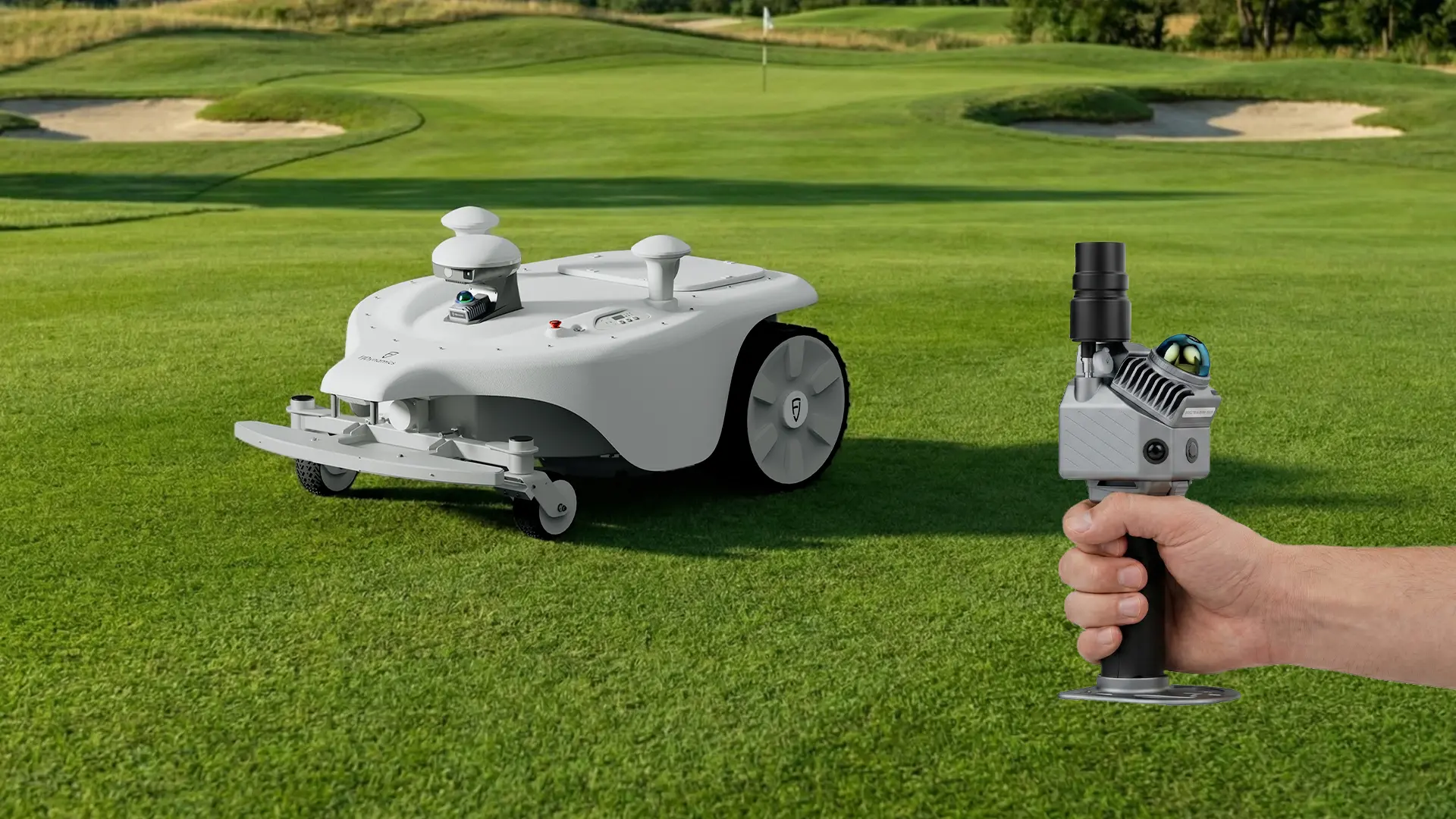
Golf course maintenance has always been a demanding blend of horticultural science, precision engineering and sheer physical effort. Greenkeepers must contend with fluctuating weather, heavy foot traffic, delicate turf species and the relentless expectations of players who want fairways, greens and roughs to look flawless every single day. In recent years, robotic lawn mowers have emerged as one of the most transformative tools in this ongoing effort, quietly reshaping how courses are cared for and setting new standards for consistency, efficiency and turf health. Where once teams of groundstaff relied solely on ride-on mowers and long hours of manual labour, many clubs now incorporate robotic lawn mowers into their daily routines, allowing courses to be maintained with a level of precision that was previously difficult to achieve.
A New Approach to Turf Management
Traditional mowing schedules are often dictated by staff availability, weather windows and the sheer scale of a golf course, which can span well over a hundred acres of manicured grass. This means that some areas may not be cut as frequently as they ideally should be, leading to uneven growth patterns and inconsistent playing surfaces. Robotic lawn mowers change this dynamic entirely. Because they can operate autonomously for extended periods, including overnight or during the early hours before players arrive, they allow courses to maintain a far more frequent and even mowing schedule than would be possible with human-operated equipment alone.
This frequent cutting regime is not simply a matter of convenience. Grass health benefits significantly from regular, light trims rather than infrequent, heavier cuts. When robotic lawn mowers pass over a fairway or green multiple times a week, they remove only a small amount of leaf tissue each time, which reduces stress on the plant and encourages denser, healthier growth. Over time, this little-and-often approach produces a finer, more uniform sward that is far more resistant to disease, drought stress and wear from golfers and equipment.
Precision and Consistency Across the Course
One of the greatest challenges facing any greenkeeping team is achieving uniformity across vastly different areas of a course. Greens require an entirely different cutting height and level of care compared with fairways, while the rough demands a different approach altogether. Robotic lawn mowers can be programmed with remarkable accuracy to maintain specific cutting heights and patterns suited to each zone, ensuring that greens remain smooth and fast while fairways stay consistent from hole to hole.
This level of precision is difficult to replicate with manual mowing, where human error, fatigue and slight variations in technique can all contribute to inconsistencies. A tired operator working a long shift may not maintain the same steady line or consistent height throughout an entire round of cutting, whereas robotic lawn mowers follow programmed routes with unwavering accuracy, cut after cut, day after day. The result is a course that feels more predictable and fair to play, with subtle undulations and surface quality remaining consistent across every hole rather than varying depending on which member of staff completed the mowing that day.
Reducing Compaction and Protecting Root Systems
Soil compaction is a persistent concern on golf courses, particularly in areas that see heavy machinery traffic or repeated passes from ride-on mowers. Compacted soil restricts root growth, limits water infiltration and can lead to poor drainage, all of which negatively affect turf quality. Robotic lawn mowers are generally much lighter than traditional ride-on equipment, and their smaller footprint means significantly less pressure is placed on the soil beneath them.
Because these machines are also considerably lighter and often electrically powered, they distribute their weight differently and tend to avoid creating the deep ruts or compacted channels that heavier equipment can leave behind, especially in wet conditions. This lighter touch helps protect root systems and supports healthier soil structure over time, which in turn contributes to more resilient turf that can better withstand the demands of regular play and unpredictable weather.
Environmental and Noise Benefits
Golf courses often sit within or alongside residential areas, nature reserves or environmentally sensitive landscapes, meaning that noise and emissions from maintenance equipment can be a genuine concern. Many robotic lawn mowers are battery powered, which means they operate far more quietly than traditional petrol or diesel machinery. This allows mowing to take place during early morning or late evening hours without disturbing nearby residents or wildlife, further increasing the flexibility with which courses can be maintained.
The reduced emissions associated with electrically powered robotic lawn mowers also align with the growing emphasis many golf clubs are placing on sustainability. As courses increasingly seek to reduce their carbon footprint and demonstrate responsible environmental stewardship, the shift towards quieter, cleaner mowing technology represents a meaningful step forward. Reduced fuel consumption, lower noise pollution and a gentler impact on soil and surrounding ecosystems all contribute to a more environmentally conscious approach to course management.
Freeing Up Staff for Skilled Work
Greenkeeping teams are often stretched thin, particularly during peak growing seasons when turf requires constant attention. By taking over the repetitive and time-consuming task of mowing, robotic lawn mowers free up staff to focus on more specialised aspects of course care, such as aerification, top-dressing, pest management, irrigation adjustments and the fine detail work that greens and tees demand. This reallocation of human effort towards higher-value tasks can significantly improve overall course quality, as skilled greenkeepers are able to dedicate more time to diagnosing turf issues and implementing targeted solutions rather than spending hours behind the wheel of a mower.
This shift also has implications for staff wellbeing and job satisfaction. Mowing large expanses of grass for hours on end can be physically taxing and mentally repetitive work. With robotic lawn mowers handling much of this routine cutting, staff members often find their roles becoming more varied and engaging, which can improve morale and reduce the physical strain associated with traditional groundskeeping duties.
Adapting to Changing Weather and Growth Patterns
Grass growth is rarely consistent throughout the year, with warm, wet periods often triggering rapid growth spurts that can quickly overwhelm a mowing schedule based on fixed intervals. Robotic lawn mowers, particularly those integrated with sensors and adaptive scheduling capabilities, can respond more dynamically to these fluctuations. Rather than waiting for a scheduled mowing day that may leave grass overgrown following a burst of favourable weather, these machines can be adjusted to increase their frequency during periods of rapid growth and scaled back when growth naturally slows.
This adaptability helps ensure that turf never becomes excessively long between cuts, which is important not only for aesthetics but also for playability. Overgrown grass can affect ball roll on greens, alter the behaviour of shots from the fairway and generally create an inconsistent experience for golfers. By maintaining a more responsive cutting regime, robotic lawn mowers help courses stay in optimal condition regardless of seasonal variability.
Supporting Long Term Course Quality
The cumulative effect of frequent, precise and gentle mowing extends well beyond simple day-to-day appearance. Over months and years, the consistent care provided by robotic lawn mowers contributes to stronger turf density, improved resistance to weeds and disease, and a more resilient playing surface overall. Courses that adopt this technology often report improvements in the uniformity of their greens and fairways, as the elimination of human variability allows for a more scientifically consistent approach to cutting height and frequency.
This long-term improvement in turf health also has financial implications. Healthier grass requires fewer chemical interventions, recovers more quickly from wear and is generally less susceptible to the kind of damage that necessitates costly renovation work. In this sense, the investment in robotic lawn mowers can be viewed not merely as a labour-saving measure but as a genuine contribution to the long-term sustainability and quality of the course itself.
Conclusion
As golf courses continue to face pressure to deliver ever higher standards of presentation while managing budgets, staffing challenges and environmental responsibilities, robotic lawn mowers offer a compelling solution to many of these competing demands. Their ability to provide frequent, precise and gentle cutting, combined with reduced noise, lower emissions and the freeing up of skilled staff for more specialised work, makes them an increasingly valuable asset in modern course management. As the technology continues to mature, it seems likely that robotic lawn mowers will play an even greater role in shaping the future of golf course maintenance, helping clubs achieve the kind of consistent, high-quality playing surfaces that both members and visitors have come to expect.