
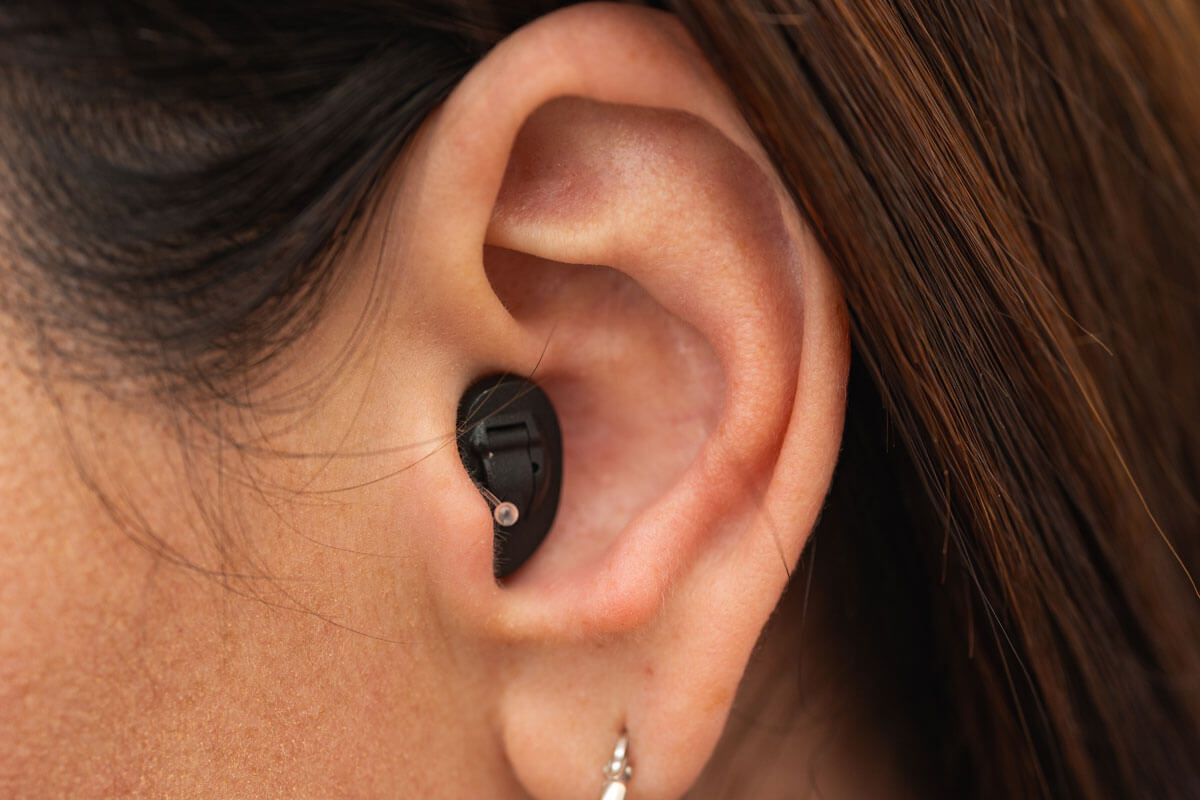
Hearing loss is a widespread issue that affects millions of people across the UK and beyond, yet access to solutions is often limited by cost. For many individuals, the availability of affordable hearing aids can make the difference between isolation and active participation in daily life. While hearing technology has advanced significantly over the years, these innovations are only truly valuable if they are accessible to those who need them most. This is why affordable hearing aids play such a crucial role in promoting equality, wellbeing, and independence.
The importance of affordable hearing aids becomes particularly evident when considering how hearing loss impacts communication. Difficulty in hearing conversations can lead to frustration, misunderstandings, and withdrawal from social situations. When people are unable to access affordable hearing aids, they may avoid gatherings, struggle in the workplace, or feel disconnected from loved ones. Ensuring that affordable hearing aids are widely available helps individuals maintain strong relationships and remain engaged in their communities.
Another significant aspect of affordable hearing aids is their impact on mental health. Studies have consistently shown a link between untreated hearing loss and increased risks of anxiety, depression, and cognitive decline. When individuals have access to affordable hearing aids, they are more likely to seek help early and manage their condition effectively. This early intervention can prevent many of the negative psychological effects associated with hearing difficulties and support overall mental wellbeing.
Affordable hearing aids are also essential in supporting older adults, who represent a large proportion of those experiencing hearing loss. Many pensioners live on fixed incomes and may find it difficult to justify the expense of high-cost devices. By providing affordable hearing aids, society can ensure that older individuals remain independent, confident, and connected. This not only improves their quality of life but also reduces the strain on healthcare and social support systems.
The workplace is another area where affordable hearing aids can have a profound impact. Employees with untreated hearing loss may struggle to follow instructions, participate in meetings, or communicate effectively with colleagues. This can lead to reduced productivity and missed opportunities for career advancement. Access to affordable hearing aids enables individuals to perform at their best, contributing to a more inclusive and efficient workforce. Employers also benefit from a diverse team where everyone has the tools they need to succeed.
Children and young people with hearing loss also rely heavily on affordable hearing aids to support their development. Hearing is fundamental to language acquisition, learning, and social interaction. Without access to affordable hearing aids, children may fall behind in school and face challenges in building friendships. Providing affordable hearing aids ensures that young people have equal opportunities to thrive academically and socially, laying a strong foundation for their future.
Technological advancements have made modern hearing aids more effective and discreet than ever before, yet cost remains a significant barrier for many. Affordable hearing aids help bridge the gap between innovation and accessibility. By making these devices more attainable, a wider range of people can benefit from features such as improved sound clarity, noise reduction, and comfortable designs. This democratisation of technology is essential in addressing the growing demand for hearing solutions.
Public awareness also plays a key role in the importance of affordable hearing aids. Many people delay seeking help due to stigma or the misconception that hearing aids are prohibitively expensive. Promoting the availability of affordable hearing aids can encourage individuals to take the first step towards better hearing. Increased awareness can also drive demand for more accessible options, encouraging further innovation and cost reduction within the industry.
Healthcare systems benefit greatly from the widespread availability of affordable hearing aids. Untreated hearing loss can lead to additional health complications, including falls, social isolation, and cognitive decline. By ensuring access to affordable hearing aids, healthcare providers can focus on prevention rather than treatment, ultimately reducing long-term costs. This proactive approach supports both individual patients and the broader healthcare infrastructure.
The social implications of affordable hearing aids extend beyond the individual. When people can hear and communicate effectively, they are more likely to contribute to their communities, volunteer, and participate in civic life. Affordable hearing aids foster inclusivity by enabling everyone to take part in society without barriers. This creates stronger, more connected communities where diversity is valued and supported.
Accessibility is a fundamental principle of modern society, and affordable hearing aids are a key component of this ideal. Just as ramps and accessible transport improve mobility for those with physical disabilities, affordable hearing aids provide essential support for those with hearing impairments. Ensuring that affordable hearing aids are readily available aligns with broader efforts to create a more inclusive and equitable world.
Financial considerations are often the primary obstacle preventing people from obtaining hearing aids. High costs can deter individuals from seeking help, even when they recognise the need. Affordable hearing aids remove this barrier, making it possible for more people to prioritise their hearing health. This shift in accessibility can lead to earlier diagnosis and intervention, resulting in better outcomes over time.
It is also important to recognise the role of innovation in driving the availability of affordable hearing aids. As technology evolves, production processes become more efficient, and new solutions emerge. These advancements can help reduce costs while maintaining high standards of performance. Supporting the development and distribution of affordable hearing aids ensures that progress in hearing technology benefits as many people as possible.
The stigma surrounding hearing aids is gradually diminishing, but affordability remains a key factor in encouraging widespread adoption. When affordable hearing aids are readily available, they become a normal and accepted part of managing hearing health. This normalisation helps reduce embarrassment or hesitation, empowering individuals to seek the support they need without fear of judgement.
Education and advocacy are essential in highlighting the importance of affordable hearing aids. By raising awareness about the impact of hearing loss and the benefits of accessible solutions, communities can work together to support those in need. Affordable hearing aids should be seen not as a luxury but as a necessity, integral to maintaining quality of life and overall health.
Looking ahead, the demand for affordable hearing aids is likely to increase as populations age and awareness grows. Meeting this demand will require continued investment, collaboration, and commitment from various sectors. By prioritising the development and distribution of affordable hearing aids, society can ensure that no one is left behind due to hearing loss.
In conclusion, affordable hearing aids are far more than simple devices; they are essential tools that enable communication, independence, and inclusion. From improving mental health to supporting education and employment, the benefits of affordable hearing aids are far-reaching. Ensuring access to affordable hearing aids is a vital step towards a more equitable and compassionate society, where everyone has the opportunity to hear, connect, and thrive.
Get in Touch:
Audilife
audilife.co.uk